Samsung Galaxy S27 Ultra: What we know so far
Bigger battery, redesigned camera layout, new sensor, and a faster processor - here's everything rumored about the Galaxy S27 Ultra so far.
July 11, 2026 · 8 min read|Updated July 14, 2026
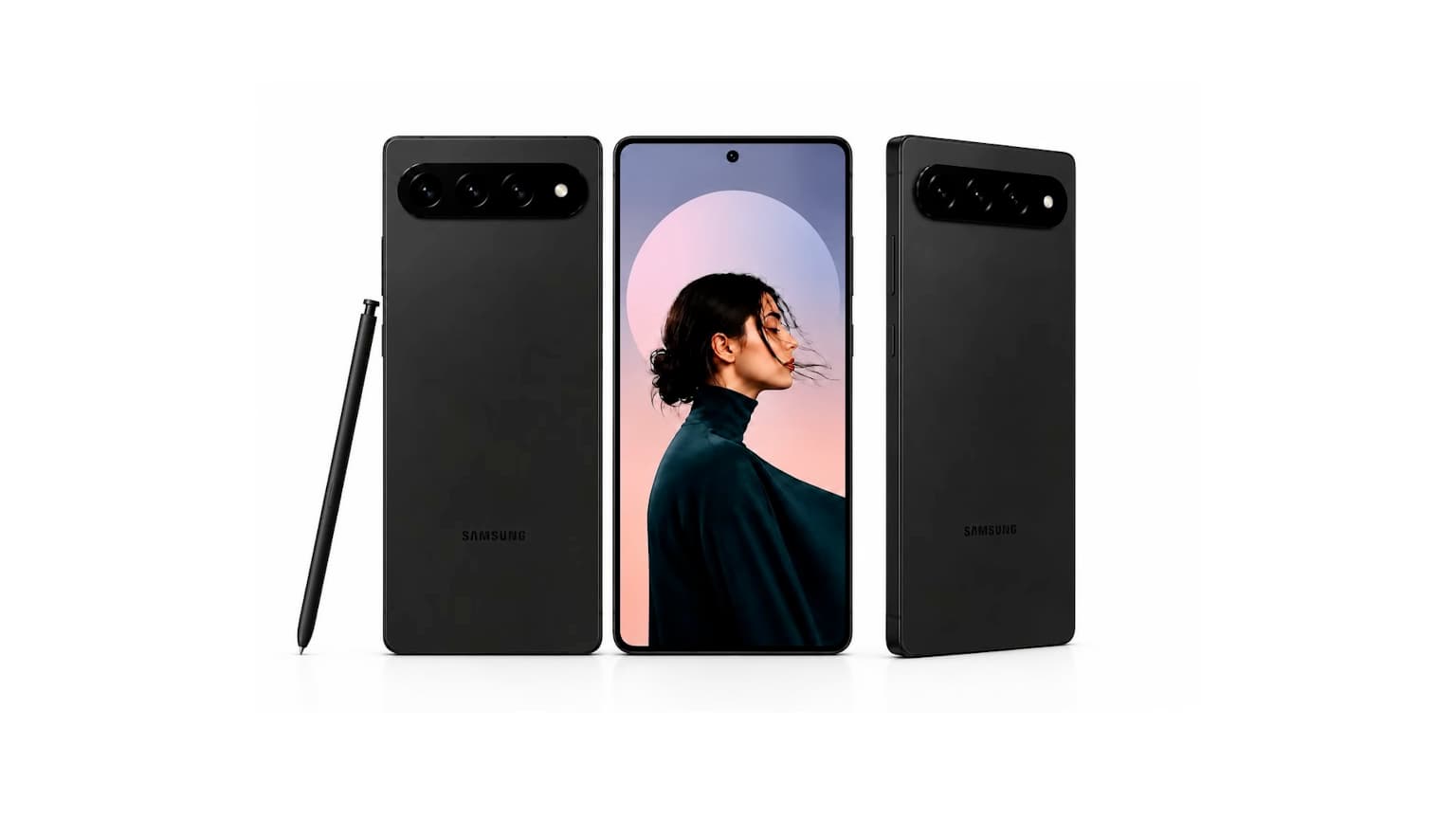
The Galaxy S27 Ultra is still months away from an official reveal, but leaks suggest this time the Ultra could see its biggest overall upgrade yet, in terms of design, camera, and performance.
Performance
The chip is expected to be Qualcomm's flagship Snapdragon 8 Elite Gen 6 Pro, rumored to be the first to cross 5GHz. It's also said to move to a 2nm architecture, up from the 3nm process used in last year's Snapdragon 8 Elite Gen 5.
RAM should stay at 12GB and 16GB, same as before, but with faster LPDDR6 this time instead of the LPDDR5X on the S26 Ultra. Storage tiers aren't changing either, still 256GB, 512GB, and 1TB, but they'll be running UFS 5.0 instead of UFS 4.0, so read and write speeds should be significantly faster. The 12GB RAM variant is expected to come with the 256GB and 512GB options, while the 16GB RAM is reserved for the 1TB model.
Camera
The camera layout is probably the biggest visual change coming this year. Samsung's stuck with the vertical layout for a while now, but leaks suggest it's finally switching to a horizontal layout, closer to what the S10 had, or what Pixel phones have been doing for years.
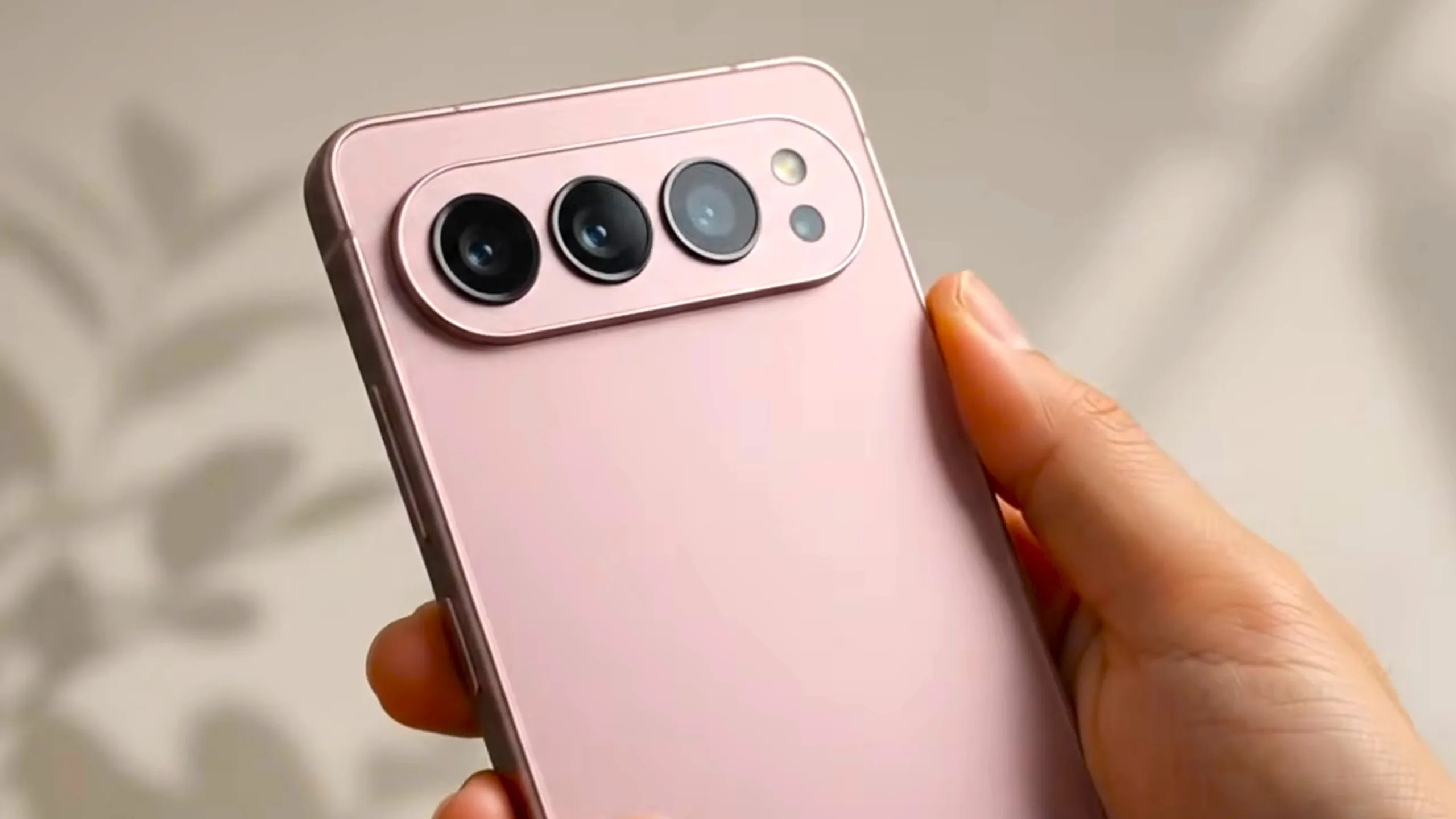
Rear Cameras
For the rear main camera, there are two credible leaks. The first is about the sensor, rumored to be a 200MP 1/1.12-inch unit using Samsung's flagship ISOCELL HPA with LOFIC technology that is said to improve dynamic range. This sensor is also expected to be sold to other brands, so personally, I feel Samsung might not use the same sensor on its own Ultra flagship if it's planning to offer it to competitors too.
And for the second one, Samsung is expected to use a 200MP ISOCELL HP6 sensor with variable aperture instead of the HPA sensor. The HP6 is smaller at 1/1.31 inches, but it's built on the same base as the HPA and reuses a lot of its underlying tech, so it's possible it'll also have LOFIC technology.
“If you're wondering what LOFIC (Lateral Overflow Integration Capacitor) is, here's a quick breakdown of what it actually does. It basically lets each pixel on the sensor capture more light information before it overflows, which results in better detail in both bright and dark areas of a photo, and less noise in low-light conditions.”
The rest of the camera setup could see some changes too. The ultrawide is expected to stay at 50MP, same as the S26 Ultra, though the sensor itself might get some improvements under the hood. Nothing concrete on this yet though. The bigger change is on the telephoto side, where the 3x lens from the S26 Ultra is rumored to be dropped entirely, replaced by a single 50MP periscope lens with 5x optical zoom and up to 10x zoom with cropping.
Selfie Camera
There's also a rumored change on the front, a new 16MP selfie camera with a square sensor. The idea is that a square sensor makes it easy to switch between portrait and landscape without losing quality, since Samsung can just crop out a 12MP 4:3 image either way, a resolution that's already pretty standard. It's a small change, but a genuinely useful one if you switch orientations a lot for selfies or video calls.
Battery
Samsung has kept the Ultra at 5,000mAh since the S20 Ultra, and at this point, it's kind of overdue for a change. Chinese flagships have already moved to 6,000mAh and even 7,000mAh silicon-carbon batteries, so Samsung sticking with the same number for six generations straight has started to feel a bit dated.
That streak looks like it's finally ending with the S27 Ultra, as rumors point to a battery capacity somewhere between 5,500mAh and 6,000mAh. That kind of jump actually lines up with the possible switch to a horizontal camera layout we talked about earlier, since freeing up that internal space could make room for a bigger cell. It might also make room for a magnetic ring inside the back panel, which would bring Qi2 wireless charging support.
There are also leaks suggesting Samsung's testing a silicon-carbon battery for the Ultra. These pack more capacity into a smaller footprint than regular lithium-ion cells, so between that and the extra space from the new layout, it's not hard to see how the battery could get noticeably bigger this time.
As for charging, leaks suggest the Ultra sticks with 60W wired fast charging, same as the S26 Ultra. The real change seems to be on the wireless side, where that new magnetic ring would finally bring Qi2 support to the phone.
Display
On the display side, leaks point to the S27 Ultra getting a new 6.9-inch 2K flat LTPO OLED panel. The real difference here is the jump to Samsung's next-generation M16 panel material. For context, the S26 Ultra used the M14 material, so upgrading to the M16 panel means users can expect visibly richer colors, improved battery efficiency, and much higher peak brightness for outdoor viewing.
The Ultra is also expected to bring a second-generation Privacy Display, upgrading the first-gen version used on the S26 Ultra. Privacy Display lets you block side-angle viewing at the tap of a button, so people next to you just see a dark screen while you see everything normally. This second-gen version is rumored to improve on that with better viewing angles and less of a brightness or color hit when the mode is switched on.
My Take
Looking at all these leaks, two things really stand out to me. First, that horizontal camera layout is a massive win. Not only does it finally refresh a design that's been getting a bit dated, but the fact that it frees up the internal space needed to finally give us a bigger battery and Qi2 magnets is exactly what we needed.
Second, a smartphone chip crossing the 5GHz mark with the Snapdragon 8 Elite Gen 6 Pro is just wild. Performance could see a crazy jump. If even half of these leaks turn out to be true, Samsung is finally giving us a true generational leap.
Sources
Related posts
Samsung Galaxy S27 Series: What the Leaks Suggest
A breakdown of the latest Samsung Galaxy S27 series leaks, including a rumored new S27 Pro model
July 6, 2026 · 8 min read
Samsung Galaxy S27 Pro: What we know so far
Samsung's rumored Galaxy S27 Pro could bring Ultra-level performance and a Privacy Display in a smaller, S Pen-free body. Here's every leak so far on specs and design.
July 27, 2026 · 7 min read